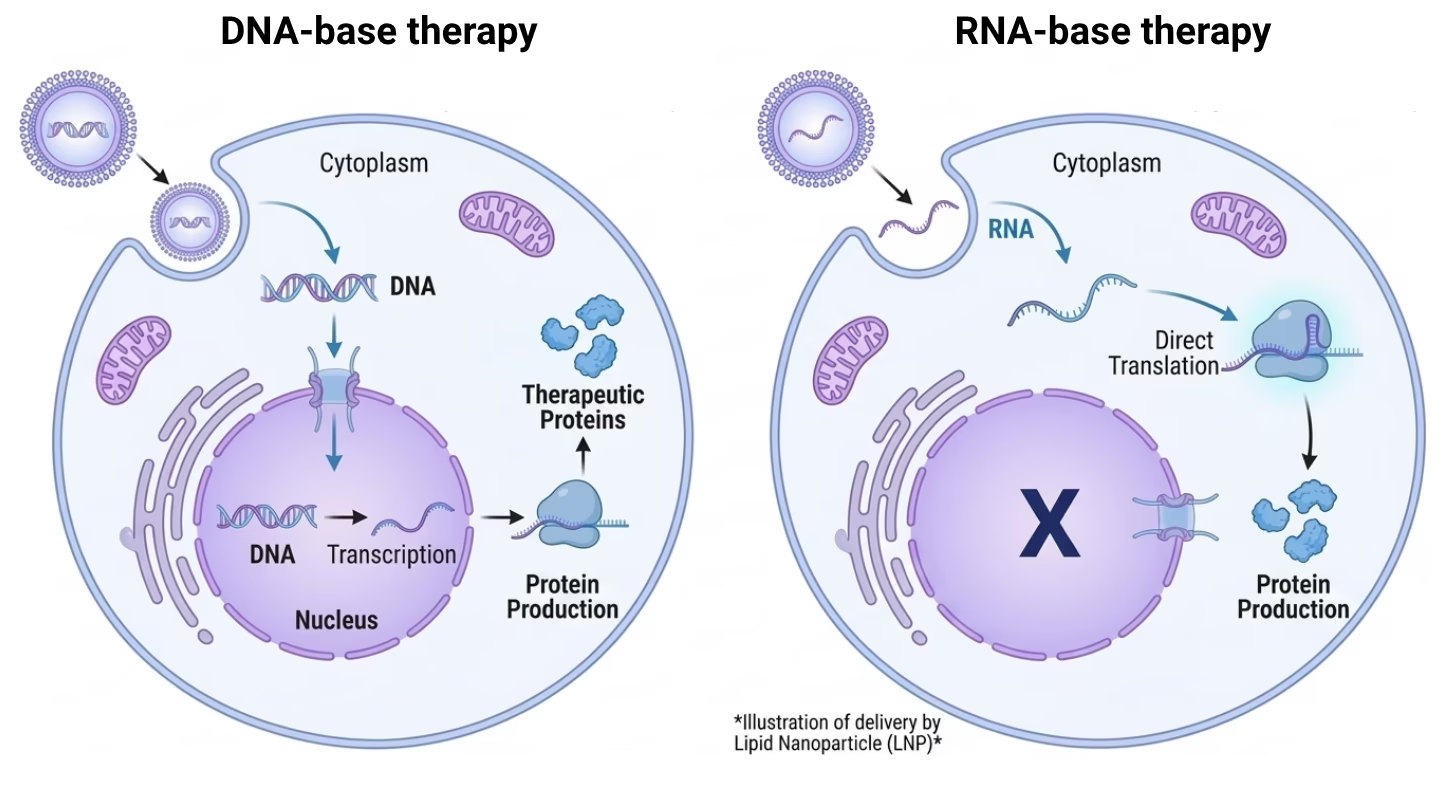
DNA and RNA Delivery Methods for Gene Therapy Compared
A technical comparison of DNA and RNA gene therapy delivery systems, covering viral vectors, lipid nanoparticles, and non-viral platforms.

A technical comparison of DNA and RNA gene therapy delivery systems, covering viral vectors, lipid nanoparticles, and non-viral platforms.
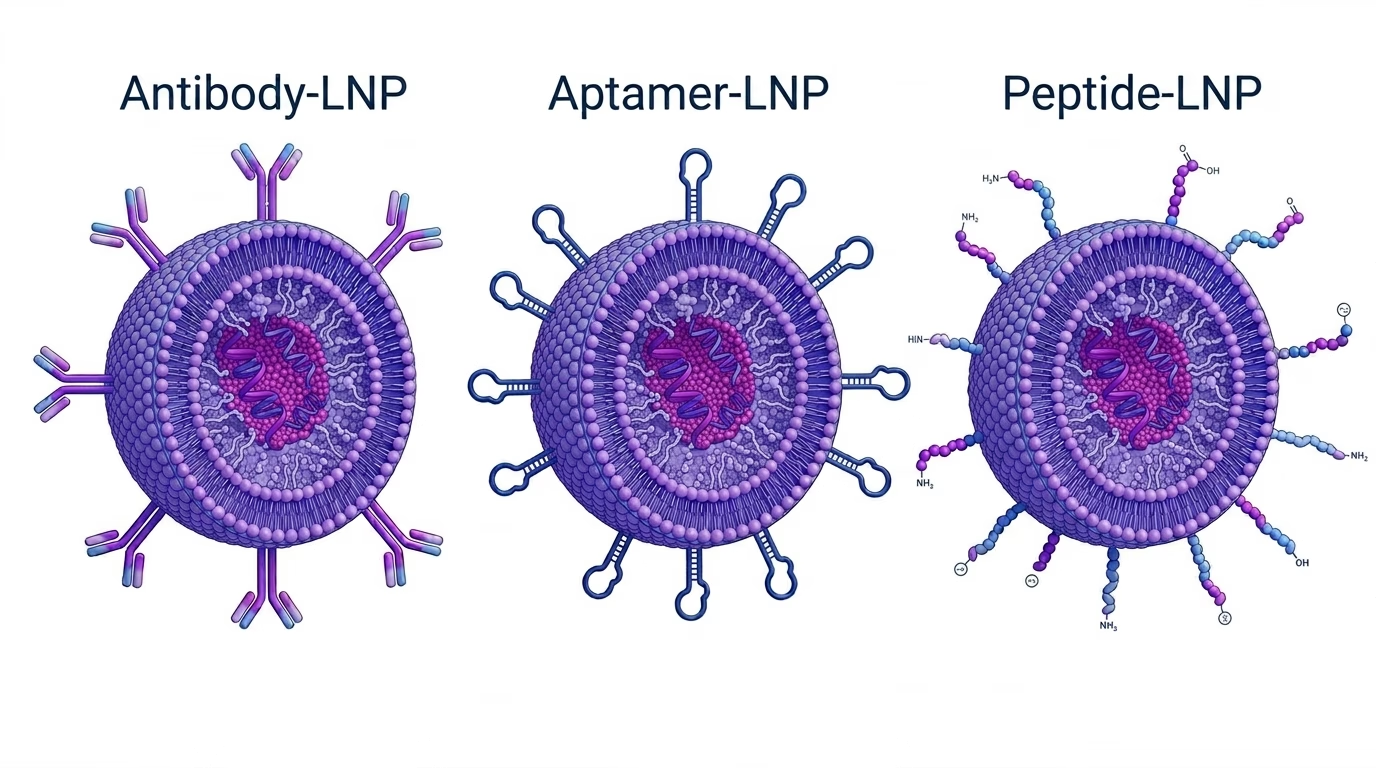
Ligand choice for targeted LNP shapes more than biology. It determines LNP formulation, immune profile, and analytical burden. Here is how the three main classes compare.

The best Cas9 mRNA for gene editing is defined by transcript integrity, dsRNA content, capping efficiency, nucleotide modification strategy, and functional validation in a cell-based potency assay. This guide explains what how to evaluate batch data, for researchers working proof of concept to early IND-enabling studies.
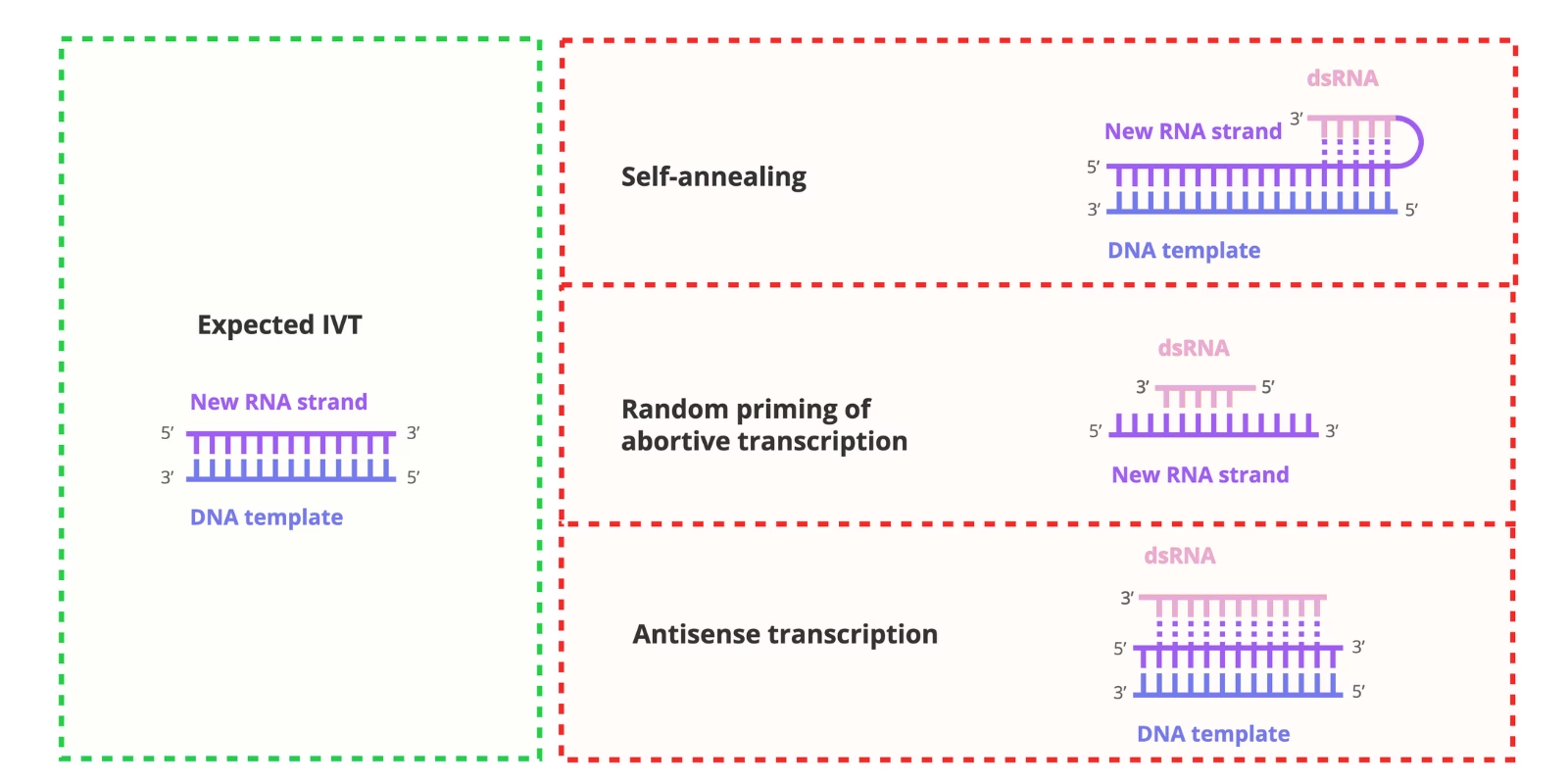
Double-stranded RNA (dsRNA) is an intrinsic IVT impurity that activates immune responses, suppresses translation, and must be controlled within CMC strategy for RNA therapeutics.
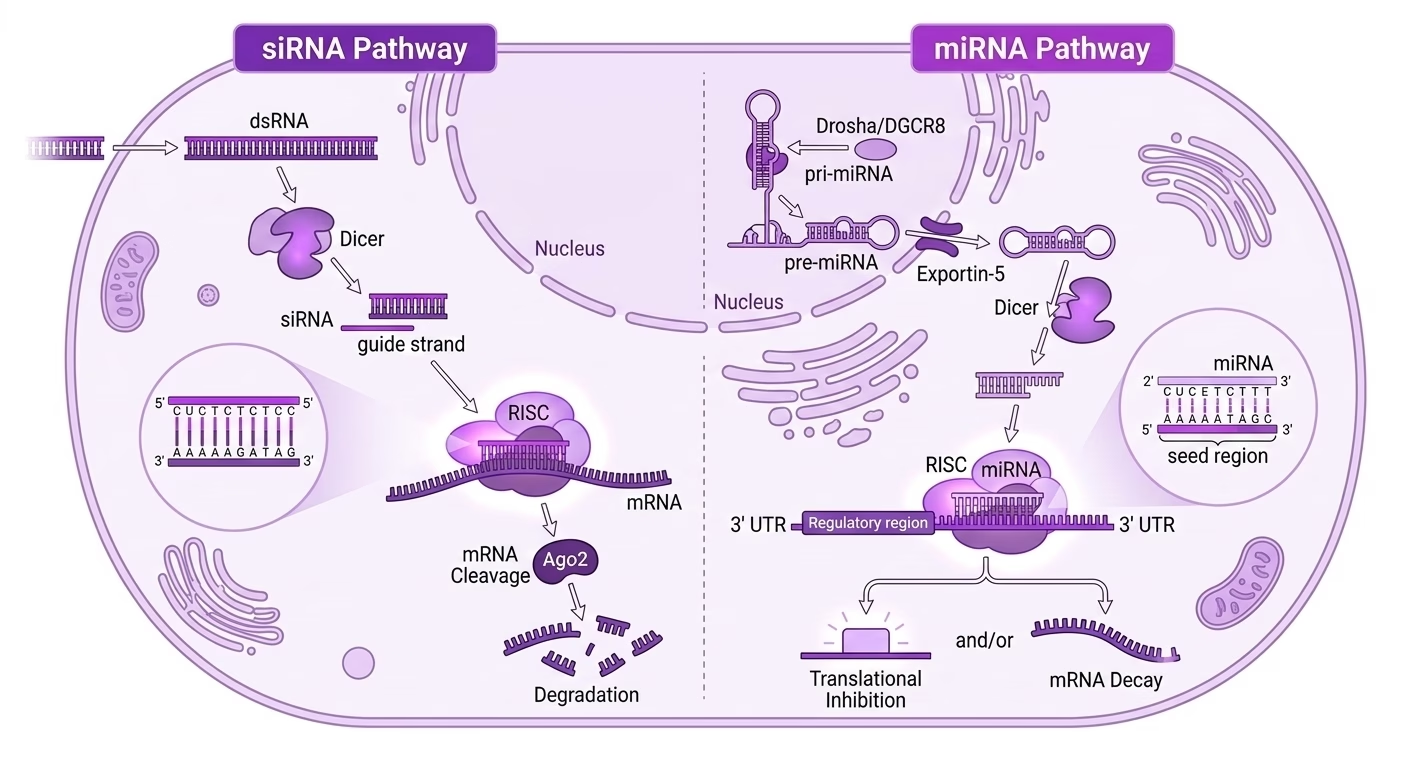
RNA therapeutics include multiple RNA types with distinct mechanisms, but delivery systems and manufacturing determine whether an RNA concept becomes a reproducible, safe medicine.
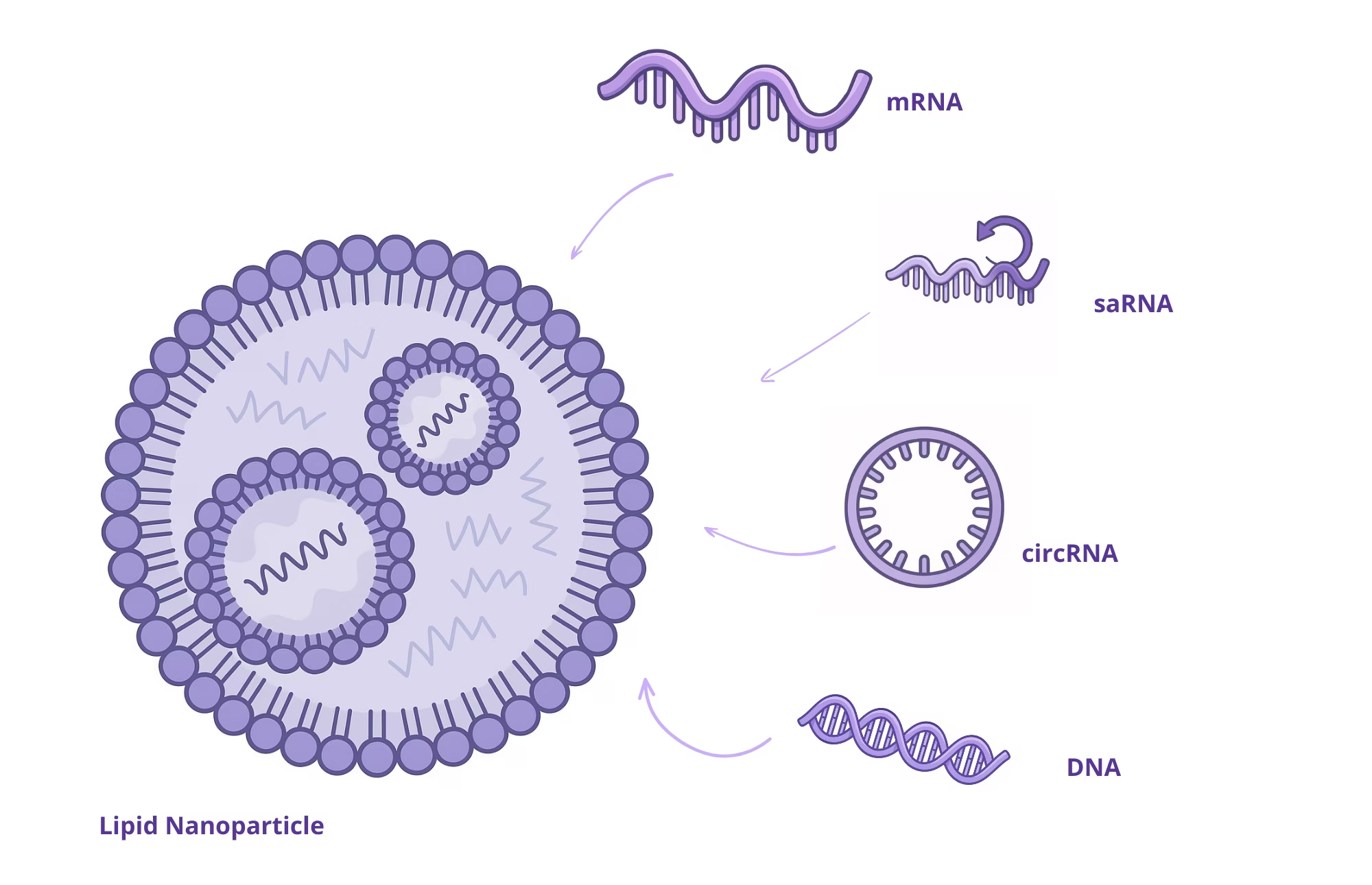
Lipid nanoparticles enable RNA delivery through controlled uptake and limited endosomal escape. Experimental outcomes depend on formulation and biology.